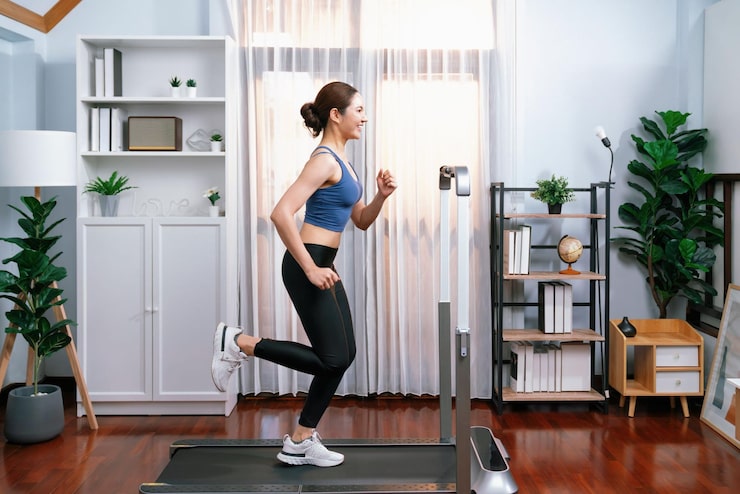

Cardio Workouts at Home have become a game-changer for fitness enthusiasts, offering a convenient way to boost heart health without stepping foot in a gym. Whether you’re juggling a busy schedule or prefer the comfort of your living room, these exercises deliver results. This 2025 guide explores effective cardio routines, their benefits, tips for success, and more, helping you stay fit and energized from home.
Why Cardio Workouts Matter
Cardiovascular exercise strengthens your heart, improves stamina, and burns calories. Regular cardio reduces stress, boosts mood, and lowers the risk of chronic diseases like diabetes. I started doing home cardio during the pandemic, and the energy boost transformed my daily routine, proving you don’t need fancy equipment to feel amazing.
Benefits of Doing Cardio at Home
Home cardio workouts save time and money, eliminating gym commutes and membership fees. They’re flexible, letting you exercise anytime, whether it’s a quick morning session or a late-night sweat. Plus, you control the vibe—blast your favorite playlist or follow along with a YouTube workout in your pajamas.
Getting Started with Cardio Workouts at Home
You don’t need much to begin—just comfortable clothes, sneakers, and a small space. A yoga mat helps for floor exercises, but it’s optional. Clear a corner of your living room or use your backyard for variety, ensuring you have enough room to move safely and freely.
Understanding Cardio Intensity Levels
Cardio workouts vary from low to high intensity. Low-intensity steady-state (LISS) like brisk walking suits beginners, while high-intensity interval training (HIIT) maximizes calorie burn in less time. Mixing both keeps workouts exciting and caters to your fitness level, whether you’re a newbie or a seasoned athlete.
Warm-Up: The Key to Safe Cardio
Always start with a 5–10-minute warm-up to prevent injury. Dynamic stretches like leg swings or arm circles loosen muscles, while light jogging in place raises your heart rate. I learned this the hard way after pulling a muscle rushing into a workout, so take it slow to prep your body.
Top Cardio Workouts at Home for Beginners
Jumping jacks are a classic, elevating your heart rate with zero equipment. Try 3 sets of 30 seconds, resting for 15 seconds between. Marching in place with high knees is another easy option, perfect for small spaces. These moves build stamina without overwhelming beginners.
High-Intensity Interval Training (HIIT) at Home
HIIT alternates intense bursts with short rests, like 20 seconds of burpees followed by 10 seconds of rest for 8 rounds. It’s time-efficient, burning up to 300 calories in 20 minutes. Apps like Nike Training Club offer guided HIIT sessions, making it easy to follow along.
Dance Cardio: Fun and Effective
Dance workouts, like Zumba or hip-hop routines on YouTube, blend cardio with fun. Channels like The Fitness Marshall offer free, high-energy sessions that feel like a party. I tried a dance workout with friends, and we laughed our way through a sweaty, joyful session.
Bodyweight Cardio Circuits
Create a circuit with moves like mountain climbers, squat jumps, and push-ups. Perform each for 45 seconds, rest for 15, and repeat for 4 rounds. These circuits target multiple muscle groups, boosting strength and endurance, perfect for those short on time but craving results.
Cardio Workouts at Home with Minimal Equipment
A jump rope adds intensity, burning up to 10 calories per minute. Try 3-minute intervals with 30-second rests for a 15-minute workout. Resistance bands can enhance moves like lateral walks, adding cardio and strength. These affordable tools elevate your home routine.
Incorporating Cardio into Daily Life
Turn household chores into cardio by speed-cleaning to upbeat music for 20 minutes. Take stairs two at a time or jog around your backyard during breaks. These micro-workouts add up, helping you stay active without carving out extra time in your busy day.
The Role of Music in Cardio Workouts
Music boosts motivation and pace. Create a playlist with high-BPM tracks (120–140) like pop or EDM to match your workout rhythm. Spotify’s Cardio Hits playlist is a great start. I find that a killer beat makes those last few burpees feel less daunting.
Cardio for Different Fitness Goals
Want to lose weight? Aim for 30–45 minutes of moderate cardio 5 times a week. For endurance, try longer LISS sessions like 60-minute walks. Strength-focused folks can pair HIIT with bodyweight exercises, ensuring a balanced approach to fitness goals.
How to Track Your Progress
Use a fitness tracker like Fitbit or apps like MyFitnessPal to monitor heart rate and calories burned. Aim for a heart rate of 50–70% of your max (220 minus your age) for moderate cardio. Tracking keeps you motivated, showing tangible improvements over time.
Common Mistakes to Avoid
Skipping warm-ups or pushing too hard risks injury. Overtraining without rest days can lead to burnout, something I experienced after weeks of daily HIIT. Balance intensity with recovery, and listen to your body to avoid fatigue or muscle strain.
Nutrition to Support Cardio Workouts at Home
Fuel your workouts with balanced meals. Eat carbs like oatmeal 2 hours before for energy, and protein like Greek yogurt post-workout for recovery. Stay hydrated, sipping water throughout, as dehydration can sap your stamina and hinder performance.
Adapting Cardio for Small Spaces
No room to run? Try shadow boxing or high-knee sprints in place for 30-second bursts. Use furniture for support during step-ups on a sturdy chair. Small-space workouts are just as effective, proving you don’t need a big area to get your heart pumping.
Cardio Workouts for Different Fitness Levels
Beginners can start with 15-minute sessions of marching or jumping jacks. Intermediate exercisers might try 20-minute HIIT circuits. Advanced folks can tackle 45-minute routines with complex moves like plyometric lunges, ensuring everyone finds a suitable challenge.
The Mental Health Benefits of Cardio
Cardio releases endorphins, reducing stress and boosting mood. A 2024 study in The Journal of Sports Medicine found 30 minutes of moderate cardio daily improves mental clarity. I noticed my anxiety ease after consistent home workouts, making cardio a mental health win.
Staying Motivated with Home Workouts
Set realistic goals, like exercising 3 times a week, and reward yourself with a treat like a new workout playlist. Join online fitness communities on X, where #HomeWorkout posts share tips and inspiration. Partnering with a friend virtually keeps you accountable and makes it fun.
Cardio Workouts at Home for Weight Loss
For weight loss, aim for 150–300 minutes of moderate cardio weekly, per the CDC. Combine HIIT with LISS for variety, like 20-minute jump rope sessions and 40-minute walks. Consistency, paired with a calorie-controlled diet, yields visible results over time.
Incorporating Strength with Cardio
Blend cardio with strength by adding bodyweight squats or push-ups to circuits. Try 30 seconds of jumping jacks followed by 30 seconds of lunges for 5 rounds. This hybrid approach builds muscle while keeping your heart rate up, maximizing efficiency.
Safety Tips for Home Cardio
Ensure your workout space is clear of hazards like rugs or furniture. Wear supportive sneakers to prevent ankle twists, a lesson I learned after slipping in socks. If you feel dizzy or overly fatigued, pause and rest to avoid overexertion.
Technology to Enhance Your Workouts
Apps like Peloton Digital offer guided cardio sessions for $12.99 monthly, while YouTube channels like POPSUGAR Fitness are free. Smartwatches track your heart rate, helping you stay in the fat-burning zone. These tools make home workouts engaging and data-driven.
Cardio Workouts for Kids and Families
Get kids moving with fun cardio like dance parties or obstacle courses using pillows. Try 10-minute family sessions with jumping jacks and relays. These activities build healthy habits early, making fitness a joyful family bonding experience.
Seasonal Cardio Variations
In winter, indoor HIIT or dance workouts keep you warm. Summer calls for outdoor sprints or jump rope in the backyard. Adjust routines to weather, ensuring year-round consistency without feeling repetitive or boring.
The Social Impact of Home Cardio
The rise of home cardio has sparked online communities. On X, #CardioAtHome trends with users sharing routines and progress photos. Fitness influencers like Chloe Ting inspire millions, fostering a global movement of accessible, inclusive workouts.
Frequently Asked Questions (FAQs)
1. What are the best cardio workouts at home for beginners?
Beginners can try jumping jacks, high-knee marching, or dance workouts for 15–20 minutes. These low-impact moves build stamina. YouTube tutorials like Fitness Blender guide you through easy routines.
2. How often should I do cardio workouts at home?
Aim for 150 minutes of moderate cardio or 75 minutes of high-intensity weekly, per CDC guidelines. Spread it over 4–5 days. Rest days prevent burnout and aid recovery.
3. Do I need equipment for cardio workouts at home?
No equipment is needed for bodyweight exercises like burpees or mountain climbers. A jump rope or resistance bands are affordable additions. Use household items like stairs for creative workouts.
4. How can I stay motivated with cardio workouts at home?
Set small goals, like 3 weekly workouts, and use music or apps to stay engaged. Join online fitness groups on X for support. Tracking progress with apps keeps motivation high.
Read also: