
Food Presentation Tips can turn an ordinary meal into a visual masterpiece, captivating diners in restaurants and followers across social media. In today’s image-driven culture, a beautifully plated dish doesn’t just satisfy taste buds—it inspires shares, likes, and a lasting brand impression. From a bustling café in Mumbai to a Michelin-starred restaurant in Paris, how food looks is as vital as how it tastes.
Every plate tells a story, and presentation is the language. A vibrant salad arranged with thoughtful symmetry can convey freshness and health. A delicate dessert drizzled with glossy chocolate signals indulgence. When chefs and content creators pay attention to detail, they create moments worth capturing and remembering.
Food Presentation Tips for Modern Restaurants
For restaurants, presentation is an unspoken promise of quality. When guests see carefully arranged dishes, they sense craftsmanship before the first bite. Dim lighting, rustic wooden boards, and color-coordinated plates all influence perception.
Take the example of a small Italian bistro that gained popularity because diners loved photographing its artfully plated pasta. The chef focused on color contrast—emerald basil, ruby tomatoes, and pale Parmesan—and soon customers were sharing images across Instagram, drawing crowds far beyond the neighborhood.
Texture also matters. Pairing crunchy elements with smooth purées or using edible flowers to add delicate flair can elevate even a simple entrée. These subtle details signal expertise and make guests feel valued.
Food Presentation Tips to Shine on Social Media
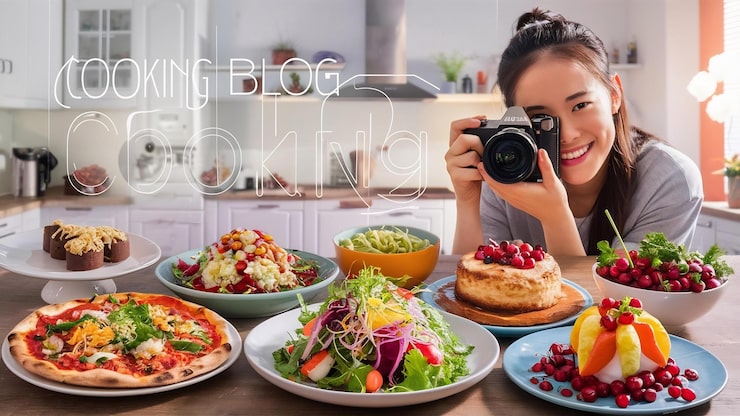
Social media thrives on visuals, and food is one of the most shared categories online. A dish that pops on camera becomes free marketing for a restaurant or food brand. Natural light is a key ally; photographing near a window brings out vibrant colors and mouthwatering textures.
Consider a travel blogger capturing street food in Bangkok. By holding a steaming bowl of noodles against the bright cityscape, the photo feels alive and authentic. These small adjustments transform casual snapshots into scroll-stopping images.
Angles matter too. Overhead shots highlight symmetry, while a slight tilt emphasizes depth and layers. Many creators use contrasting backgrounds—like a dark slate under a colorful curry—to make dishes stand out.
Storytelling Through Culinary Design
Great plating is more than arranging ingredients; it’s storytelling. A seafood platter might evoke the ocean by placing shells and seaweed strategically. A farm-to-table restaurant might use rustic ceramics to reflect the origin of its ingredients.
When a café in New York launched a new vegan menu, it highlighted locally sourced produce by sprinkling microgreens grown by nearby farmers. Guests not only tasted freshness but also understood the brand’s commitment to sustainability, making the experience memorable enough to share online.
Balancing Simplicity and Creativity
While dramatic designs draw attention, simplicity often resonates more deeply. A perfectly seared steak with a minimalist garnish can communicate confidence and authenticity. Chefs and content creators must find the balance between flair and focus so that the main ingredient remains the star.
A pastry chef in Tokyo, for example, became famous for minimalist cakes featuring a single edible flower. Each slice photographed beautifully, and the understated elegance became the bakery’s signature, leading to international acclaim.
Food Presentation Tips for Different Cultures and Cuisines
Cultural context influences presentation. Japanese cuisine emphasizes harmony and balance, often using compartmentalized plates to highlight each flavor. Mediterranean dishes embrace vibrant colors and generous spreads, creating a communal, inviting look.
A gaming café in London once merged these ideas by presenting neon-colored cocktails inspired by popular video games, paired with carefully styled tapas. The fusion of culture, playfulness, and presentation created a unique identity that attracted both gamers and food enthusiasts.
Lighting and Atmosphere Enhance Visual Appeal
In restaurants and home kitchens alike, lighting shapes the dining experience. Warm tones create coziness, while cooler lights emphasize crisp freshness. Photographers often use diffused natural light to avoid harsh shadows, allowing the food’s colors to shine.
Imagine a seaside restaurant at sunset where golden light reflects off a platter of freshly grilled seafood. Guests capture that natural glow without filters, and those images become powerful organic advertising.
Cross-Industry Inspiration for Food Presentation Tips
The art of plating draws inspiration from unexpected places. Fashion design influences color palettes, while architecture inspires structural arrangements. Even sports events impact food styling—think of cricket stadium snacks styled for quick, eye-catching service that still looks appealing on a fan’s social feed.
Business professionals launching a new café can study tech product photography for sleek minimalism, while travel influencers can borrow from fine art for dramatic compositions. These cross-industry ideas keep food visuals fresh and engaging.
Engaging Diners as Co-Creators
Encouraging customers to become part of the presentation process adds a layer of fun. Some restaurants provide edible paints or toppings for diners to customize plates. This interactive approach transforms meals into experiences, leading to organic social media buzz.
A boutique dessert bar in Singapore offers guests the chance to plate their own sundaes on elegant marble slabs. The result? Unique, highly shareable creations that boost the brand’s online presence while delighting customers.
Sustainability in Food Presentation
Today’s diners value eco-conscious practices. Using biodegradable plates, reusable utensils, or edible decorations shows that beauty and sustainability can coexist. Restaurants integrating these values create a deeper connection with audiences who care about the planet as much as the meal.
A farm café in California plates salads on compostable palm-leaf dishes, sharing behind-the-scenes videos of their eco-friendly process. Followers appreciate the aesthetic and the environmental commitment, strengthening loyalty.
Innovation and Technology
Augmented reality and smart dining tables are redefining how food is displayed. Some high-end restaurants now project digital art beneath plates, making dishes part of an interactive story. Social media influencers showcase these experiences, inspiring tech enthusiasts and foodies alike.
Even small cafés can innovate by using rotating displays or subtle lighting effects to make dishes photogenic. These modern twists bridge the gap between tradition and innovation, creating unforgettable dining memories.
Read also:
which greblovz2004 should i start with
games of berkeley
xbox cloud gaming (beta)
xbox cloud gaming beta