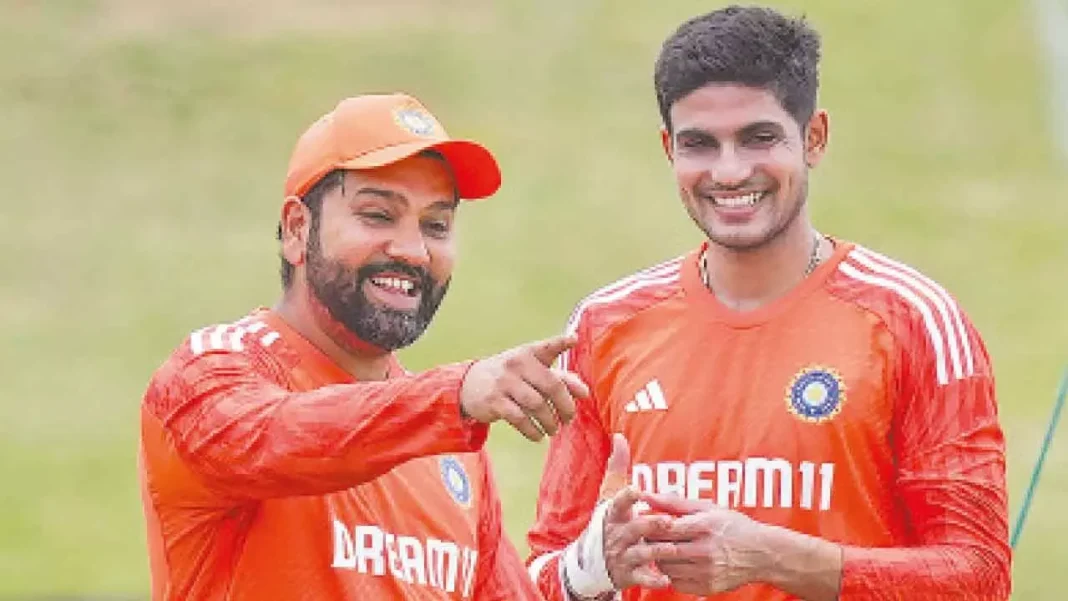

Cricket Leadership Strategy becomes most visible when the scoreboard is tight, the crowd is loud, and the game has entered the decisive overs where every ball can turn careers. Captains are not judged in routine overs or safe chases but in those rare, high-pressure phases where decisions shape legacies. A true leader does not simply manage a match; he steers the group through uncertainty, calm under fire, while absorbing the pressure that might overwhelm teammates.
Why Pressure Reveals Real Captaincy
High-pressure games act like a magnifying glass, exposing not only skill but character. Talent alone does not lead — temperament does. When the run rate climbs or the opposition snatches momentum, players subconsciously look at their captain before they look at the scoreboard. The eyes tell a story of trust before the tactics are spoken. The best Cricket Leadership Strategy is built on presence before planning. If a captain panics, doubt spreads instantly. If he stands steady, belief rises organically.
Modern cricket is also deeply psychological. With DRS, analytics, and broadcast scrutiny, leaders no longer operate in quiet corners. Every pause, gesture or misjudgment becomes a narrative. That is why mental poise becomes a tactical tool. A composed mind is the sharpest playbook on the field.
Emotional Discipline – The First Layer of Pressure Management
A great captain does not fight pressure, he regulates it. Emotional discipline keeps the group aligned, preventing impulsive tactical switches. When bowlers get hit for boundaries in crunch overs, their self-belief wavers before their skill does. The captain’s body language becomes a silent reset button. (Cricket Leadership Strategy)
This is also where maturity separates instinct from reaction. A captain who can absorb frustration without transmitting it prevents negativity from multiplying. Players mirror what they witness.
Reading The Pulse Of The Match
The finest Cricket Leadership Strategy is not a fixed formula — it evolves ball by ball. Sometimes a game demands aggression, sometimes patience, sometimes a delay in risk. Reading tempo requires observation before intervention. A leader who listens to the rhythm of the match can sense momentum shifts moments before they appear on the scoreboard.
This instinct grows only through awareness. Good captains react to what is happening; great captains predict what is coming. The difference lies in anticipation, not tactics.
Role Clarity Under High Stakes
Pressure creates confusion when roles are not defined. The best leaders simplify assignments. Bowlers must know which overs belong to them and under what scenario. Fielders must understand angles, not just positions. Batters must be mentally prepared for tempo changes even before walking out. (Cricket Leadership Strategy)
Clarity reduces panic. Panic breaks game plans. The success of a dressing room is measured in how many players know why they are in a situation, not just what they must execute.
Trust As Tactical Fuel
Big games are not won merely through plans; they are won through trust. A leader who trusts his teammates earns deeper commitment in crunch overs. Confidence becomes a second wind. When a young bowler is given a pressure over with belief instead of fear, he grows two levels in a single spell. Trust is not comfort — it is transfer of accountability. And once accountability spreads, pressure stops feeling like isolation. (Cricket Leadership Strategy)
Adapting Tactics While Staying Calm
Some captains freeze when their original plan fails. Strong leaders evolve mid-game. They read bowler rhythm, batter intent, pitch decay, and wind drift. They keep options alive without broadcasting panic. Tactical flexibility is the art of changing routes without changing purpose.
Pressure demands not speed but clarity. A rushed decision looks fast but often dies early. A measured shift looks slow but lands perfectly. (Cricket Leadership Strategy)
Communication That Stabilizes Nerves
Words under pressure are not just instructions — they are anchors. A short nod, a pat on the back, or a soft trigger phrase can reset a player mentally after a mistake. The best captains communicate solutions, not reactions. They speak to self-belief before speaking to technique. (Cricket Leadership Strategy)
The dressing room atmosphere also becomes part of leadership. Even silence must have intention. Leadership is not louder in tense moments; it is quieter, sharper, cleaner.
Responsibility Over Visibility
A captain does not hunt spotlight. He absorbs it so others stay free to perform. In finals and knockout matches, leaders operate in the shadows of pressure so the team plays in daylight. The greatest mark of tactical mastery is not a grand gesture but a steady presence. (Cricket Leadership Strategy)
Here is where emotional intelligence merges with cricketing intelligence. The one who carries the storm allows teammates to swing freely without fear of consequence.
Winning The Inner Battle First
High-pressure cricket is not a battle against the opposition — it is a battle against doubt. The field is only an extension of the mind. When a captain conquers his internal restlessness, he gives the group a psychological advantage before a single stroke is played.
Players sense stability before instructions are even spoken. This invisible energy becomes momentum before tactics become outcomes. (Cricket Leadership Strategy)
Read also:
new zealand national cricket team vs england cricket team match scorecard
afghanistan national cricket team vs sri lanka national cricket team match scorecard
india national cricket team vs england cricket team match scorecard
pakistan national cricket team vs south africa national cricket team match scorecard
sacramento kings vs dallas mavericks match player stats
kansas city chiefs vs philadelphia eagles match player stats
golden state warriors vs houston rockets match player stats