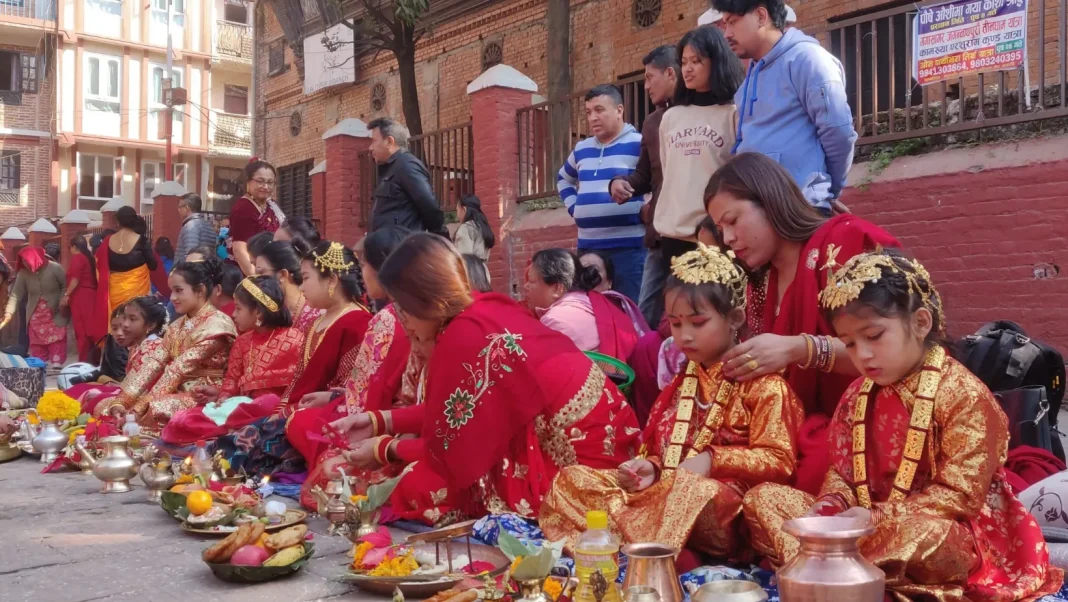

Cultural Immersion Travel is far more than a simple vacation; it is a profound shift in perspective that allows you to step out of the role of a spectator and into the heartbeat of a community. I remember a humid evening in a small village outside of Hanoi where I found myself invited into a family’s home because I had spent three hours attempting to learn how to weave a traditional bamboo basket. There were no English menus or tour buses in sight, only the smell of ginger-infused broth and the sound of children laughing as they taught me basic Vietnamese phrases. That single night taught me more about the resilience and hospitality of the local culture than any history book ever could.
This type of travel is about seeking the “unfiltered” version of the world, where the goal isn’t just to check off landmarks but to understand the “why” behind local traditions. In an era of polished Instagram reels and mass-market tourism, the craving for something real has never been stronger. We are moving away from the “bucket list” mentality and toward a “soul list” approach, where success is measured by the depth of a conversation rather than the number of photos on a memory card. It requires a willingness to be vulnerable, to make mistakes, and to embrace the beautiful chaos of the unknown.
True immersion involves a delicate balance of curiosity and respect, ensuring that our presence as travelers adds value to the community rather than just extracting experiences. It is a slow-burning process that demands we put down our phones and engage with our senses—the grit of the street, the cadence of a foreign tongue, and the intricate spice blends of a local market. When we choose this path, we aren’t just visiting a place; we are allowing that place to leave an indelible mark on our own identity.
Why Cultural Immersion Travel Redefines the Modern Journey
The primary reason Cultural Immersion Travel has gained such momentum is the collective realization that traditional sightseeing often leaves us feeling empty. Standing in a long line for a famous monument provides a photo, but sitting on a plastic stool at a street corner sharing tea with a local shopkeeper provides a memory that resonates for years. The modern traveler is an explorer who values stories over status, seeking out the hidden alleys where life actually happens. This shift is redefining the travel industry, pushing agencies to offer more authentic, community-led experiences that bypass the standard tourist traps.
Expertise in this field suggests that the most impactful journeys happen when we intentionally slow down our pace. If you try to see five cities in ten days, you are essentially skimming the surface of a deep ocean. However, if you spend those ten days in a single neighborhood, you begin to recognize the rhythm of the bakery opening at dawn, the social dynamics of the local park, and the subtle changes in the atmosphere as the sun sets. This “slow travel” philosophy is the bedrock of successful integration, allowing you to move from being an outsider to a familiar face.
Authoritative travel guides now emphasize the importance of “staying local” as a way to foster these connections. This means choosing small, family-run guesthouses over international hotel chains and eating at places where the menu isn’t translated into five different languages. These choices ensure that your travel dollars go directly into the pockets of the people who live there, creating a sustainable cycle of tourism that benefits everyone involved. It is a more ethical way to see the world, grounded in the principles of mutual respect and economic empowerment.
Gastronomy as a Gateway for Cultural Immersion Travel
Food is perhaps the most universal language we have, and it serves as an incredible gateway for Cultural Immersion Travel. Every dish tells a story of a region’s geography, its history of trade, and its ancestral traditions. I once spent a morning in a rural kitchen in the Andes, helping an elderly woman prepare Pachamanca, a traditional meal cooked using heated stones in an earthen pit. As we layered the potatoes, meat, and herbs, she told me about her grandparents and how the ritual was a way of giving back to the earth. The meal was delicious, but the context made it sacred.
To truly immerse yourself through food, you have to move beyond the high-end restaurants and find where the locals eat their daily meals. This might mean joining the morning rush at a Mexican “mercado” for fresh tamales or waiting in line at a night market in Taipei for oyster omelets. Don’t be afraid to ask questions about ingredients or preparation methods; most people are immensely proud of their culinary heritage and are eager to share it with someone who shows genuine interest. These interactions often lead to invitations or recommendations that you won’t find on any travel app.
Taking a local cooking class is another excellent way to deepen your understanding, provided the class is hosted by someone from the community. Learning the precise technique for rolling pasta in Italy or balancing the five flavors in a Thai curry provides a tactile connection to the culture. You carry these skills back home with you, allowing you to recreate the essence of your journey long after the trip has ended. It turns a temporary experience into a lifelong skill, bridging the gap between your world and theirs through the simple act of sharing a meal.
Trustworthiness in food travel also comes from observing local customs and etiquette. In some cultures, finishing everything on your plate is a sign of respect, while in others, leaving a small bite signifies that your host provided more than enough. Taking the time to research these nuances before you arrive shows that you are a mindful visitor who cares about local sensibilities. It builds an immediate rapport with your hosts and opens doors to more authentic social interactions that are often closed to the “clueless” tourist.
The Role of Language and Communication in Deep Connection
While you don’t need to be fluent in a language to practice Cultural Immersion Travel, making a sincere effort to learn the basics is transformative. Learning how to say “please,” “thank you,” and “it’s a pleasure to meet you” in the local tongue acts as a psychological handshake. It signals that you respect the culture enough to put in the effort, even if your pronunciation is clumsy. Most people are far more forgiving of linguistic errors than they are of an assumption that everyone should speak English.
Beyond words, communication is about non-verbal cues and active listening. It is about observing how people greet one another, the level of physical space they maintain, and the tone of their voices in different social settings. In Japan, the art of the bow and the subtle use of silence can communicate volumes more than a loud conversation. By mimicking these social graces, you demonstrate an adaptability that makes locals feel more comfortable opening up to you. It is about tuning your frequency to match the environment you are in.
One of the most rewarding aspects of language learning in the field is the “shared struggle.” There is a unique bond that forms when you and a local shopkeeper use a mix of broken words, hand gestures, and drawings to understand each other. These moments of successful communication are incredibly satisfying and often result in much more laughter and warmth than a perfectly translated transaction. They remind us that human connection is built on intent and empathy rather than just technical accuracy.
I have found that carrying a small notebook can be a lifesaver in these situations. You can use it to have people write down the names of their favorite local spots, draw maps to hidden viewpoints, or even play simple games with children. It serves as a physical bridge between you and the community, a way to document your learning in real-time. Over weeks of travel, that notebook becomes a prized possession, filled with the handwriting of strangers who became temporary teachers in your journey of global understanding.
Finding Authenticity Through Local Living and Homestays
Where you choose to lay your head at night has a massive impact on your ability to integrate into a new environment. While luxury resorts provide comfort, they often act as gilded cages that insulate you from the reality of a destination. Choosing a homestay or a local apartment rental in a residential neighborhood allows you to live the life of a resident. You begin to shop at the same grocery stores, use the same public transportation, and witness the daily routines of your neighbors.
Homestays are particularly powerful for Cultural Immersion Travel because they provide an “insider” perspective on family life. You get to see how a household is organized, what a typical breakfast looks like, and how family members interact with one another across generations. It humanizes a culture in a way that no hotel stay can. I remember staying with a family in the highlands of Peru where we spent the evenings sitting by a peat fire, discussing the challenges of modern life versus traditional farming. Those conversations changed my worldview entirely.
When selecting a homestay, it is vital to use reputable platforms that prioritize fair pay and community support. Researching the impact of the accommodation on the local housing market is also part of being a responsible traveler. Look for programs that are run by the community themselves, ensuring that the benefits of your stay are distributed fairly. This level of intentionality ensures that your desire for an “authentic” experience doesn’t inadvertently contribute to the displacement of the very people you wish to meet.
Living locally also forces you to navigate the logistical challenges of a city, which is a lesson in itself. Figuring out the bus system in Istanbul or the subway in Tokyo teaches you about the patience and ingenuity of the people who use these systems every day. It removes the “bubble” that tour buses provide and puts you on the same level as everyone else. This shared experience of the mundane is often where the most profound realizations occur, as you see that despite our different backgrounds, our daily struggles and joys are remarkably similar.
Navigating the Ethics of Cultural Exchange
As we pursue Cultural Immersion Travel, we must be acutely aware of the power dynamics at play. There is a fine line between immersion and exploitation, and it is our responsibility as travelers to ensure we stay on the right side of that line. This means avoiding “poverty tourism” or any experience that treats people’s lives as a spectacle for our entertainment. If an experience feels like a “human zoo,” it probably is, and it should be avoided in favor of genuine, reciprocal exchanges.
Respecting privacy and boundaries is another essential component of ethical travel. Just because someone lives in a way that seems “exotic” to you doesn’t mean they want their photo taken while they are doing their laundry or eating dinner. Always ask for permission before taking portraits, and be prepared to hear “no.” In fact, some of the best moments are those that stay only in your heart and mind, rather than being captured on a digital sensor. This restraint shows a level of maturity and respect that builds trust with the community.
Reciprocity is the heart of a healthy cultural exchange. Think about what you can bring to the table as well. Maybe you can share a story from your home, teach a simple game, or help with a daily chore. It shouldn’t be a one-way street where you are only taking information and photos. When the exchange is mutual, it creates a sense of equality and friendship that transcends the “traveler and host” labels. It turns a transaction into a relationship, which is the ultimate goal of true immersion.
Working with local guides who are experts in their own history is a great way to ensure your journey is respectful and informative. These guides can provide context that you might otherwise miss, explaining the significance of a certain gesture or the history behind a specific building. They act as cultural translators, helping you navigate the nuances of local life with grace. Supporting these local professionals is a key part of responsible travel, as it empowers them to preserve and share their own heritage on their own terms.
The Psychological Impact of Stepping Into Another World
The most enduring part of Cultural Immersion Travel is not what you see, but how you change as a result of your experiences. Stepping out of your comfort zone and into a world where everything is different—the food, the language, the social norms—forces a cognitive flexibility that is incredibly beneficial. It challenges your assumptions and breaks down the stereotypes that we often unconsciously carry. You begin to see that there are infinite ways to live a “good life,” and that your way is just one among many.
This exposure to different worldviews fosters a deep sense of empathy and global citizenship. When you have shared a meal with someone whose life is vastly different from your own, it becomes much harder to see them as “the other.” You begin to care about the issues that affect their community, whether it’s environmental challenges, economic shifts, or social changes. Your world becomes larger, and your heart becomes more open. This emotional intelligence is a far more valuable souvenir than any trinket you could buy in a gift shop.
There is also a significant boost in self-confidence that comes from navigating an unfamiliar culture. Learning to solve problems in a place where you don’t speak the language or understand the system builds a resilience that carries over into your daily life back home. You become more adaptable, more patient, and more appreciative of the small things. The “traveler’s high” that comes from a successful cultural exchange is a powerful motivator for personal growth and lifelong learning.
Finally, these experiences provide a sense of perspective that is hard to find in the routine of daily life. Seeing how people find joy and community in the face of adversity reminds us of the core values that truly matter—family, friendship, and connection to the land. It strips away the superficial layers of our modern lives and leaves us with a clearer understanding of our shared humanity. That realization is the greatest gift of immersion, a beacon of light that guides us as we navigate our own paths in an increasingly interconnected world.
The journey of Cultural Immersion Travel never truly ends; it just changes form. The lessons you learn and the friendships you forge become a part of you, influencing how you interact with the world and the people around you every day. You become an ambassador for the cultures you have visited, sharing their stories and correcting misconceptions. In this way, travel becomes a force for peace and understanding, one conversation and one shared meal at a time.
As you plan your next adventure, I encourage you to look for the “side roads” and the “long conversations.” Don’t be afraid to get lost, to be confused, or to be the only person in the room who doesn’t know the rules. It is in those moments of discomfort that the real magic happens, where the barriers fall away and the true essence of a place is revealed. The world is a vast, beautiful, and endlessly diverse place, and it is waiting for you to step in and truly belong.
Remember that the most authentic experiences cannot be bought; they must be earned through time, patience, and a genuine heart. Be the traveler who listens more than they speak, who observes more than they photograph, and who gives more than they take. If you do this, you won’t just see the world; you will understand it, and in doing so, you will find a home in every corner of the globe.