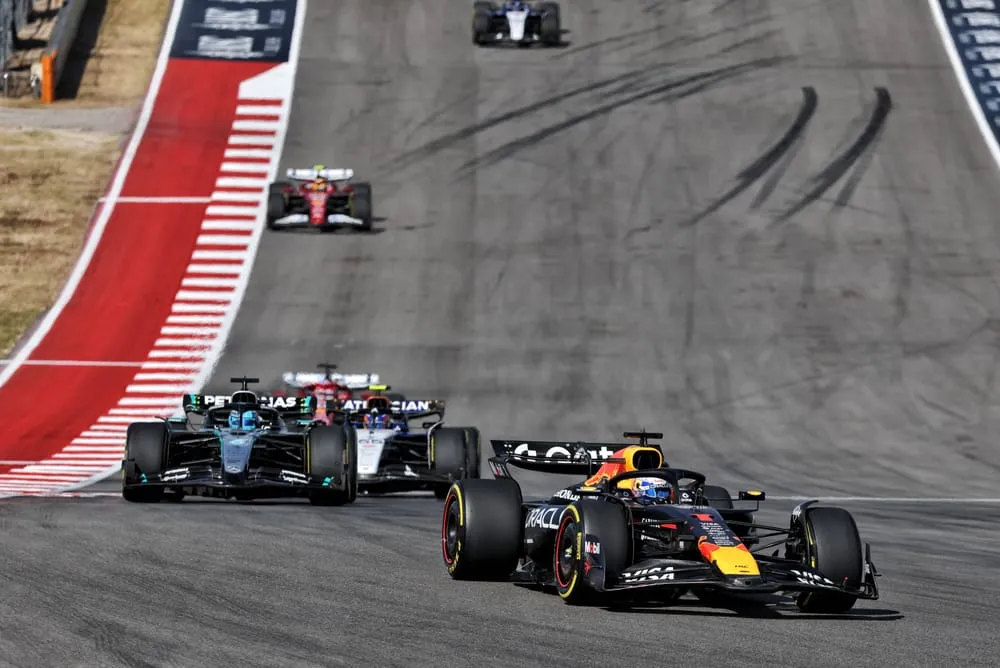

Formula 1 sprint race results have quickly become one of the most searched elements of a modern Grand Prix weekend. Ever since sprint formats were introduced, Saturdays in Formula 1 have carried nearly as much intensity as race day itself.
Instead of waiting until Sunday for meaningful action, fans now witness wheel-to-wheel battles that directly influence the championship standings. Sprint events are short, aggressive, and often unpredictable. That unpredictability fuels the excitement—and the online demand for immediate updates once the chequered flag drops.
In this detailed, EEAT-optimized guide, we explore how sprint races work, why results matter strategically, and how they shape the broader narrative of a Formula 1 season.
Table of Contents
ToggleUnderstanding the Format Behind Formula 1 Sprint Race Results
To truly appreciate Formula 1 sprint race results, it helps to understand the structure introduced by Formula 1.
Sprint races are shorter contests, typically around 100 kilometers, without mandatory pit stops. Drivers race flat-out from lights out to the finish, fighting for championship points and grid positioning.
Unlike traditional qualifying sessions that determine Sunday’s starting grid directly, sprint weekends often include a separate qualifying format that sets up Saturday’s sprint race.
Points are awarded to the top finishers, making sprint results more than just exhibition racing.
Why Formula 1 Sprint Race Results Matter for the Championship
The significance of Formula 1 sprint race results lies in their impact on the Drivers’ and Constructors’ Championships.
Even a few additional points can make a massive difference across a tightly contested season. When championship rivals are separated by single-digit margins, sprint points can tilt momentum dramatically.
Consider fierce title battles involving drivers like Max Verstappen and Lewis Hamilton. A sprint victory not only adds points but sends a psychological message before Sunday’s main event.
That mental edge often carries into the full Grand Prix.
Key Highlights From Recent Formula 1 Sprint Race Results
Recent Formula 1 sprint race results have delivered high-intensity racing and bold overtakes.
In several sprint weekends, we’ve seen drivers gain multiple positions within the first lap, capitalizing on tire grip and clean air.
Midfield teams frequently use sprint races to experiment with aggressive strategies. Because there are no pit-stop requirements, track position becomes everything.
These shorter races reward drivers who take calculated risks early rather than waiting patiently.
Strategy Differences Reflected in Formula 1 Sprint Race Results
Unlike traditional races, Formula 1 sprint race results are shaped by simplified strategy.
With no scheduled tire changes, teams focus heavily on tire selection and degradation management before the start. Choosing the right compound becomes critical.
Drivers cannot rely on long-term strategy adjustments. There’s no undercut opportunity through pit stops. Instead, overtaking must happen on track.
This stripped-down format often produces more direct racing compared to standard Grand Prix strategy chess matches.
The Role of Track Layout in Formula 1 Sprint Race Results
Track characteristics significantly influence Formula 1 sprint race results.
At power-sensitive circuits like Italian Grand Prix, straight-line speed becomes decisive. Slipstream battles dominate, and overtakes occur at high velocity.
Conversely, technical tracks such as Austrian Grand Prix reward traction and cornering precision.
Sprint races amplify these track traits because drivers push harder over shorter distances, often leading to more aggressive first laps.
Understanding circuit dynamics helps interpret surprising results.
Rising Stars and Breakout Performances
One fascinating aspect of Formula 1 sprint race results is how they spotlight emerging drivers.
Younger talents often approach sprint races with fearless determination. With fewer laps and less strategic complexity, bold overtakes can define their reputation.
A standout sprint performance can elevate a driver’s profile overnight.
Teams evaluating contract renewals and future potential closely monitor these high-pressure scenarios.
Team Dynamics Reflected in Sprint Standings
Constructors analyze Formula 1 sprint race results carefully because they reveal raw car performance without extended strategy layers.
If a car excels over a short sprint distance, it suggests strong mechanical grip and aerodynamic balance.
However, weaknesses in tire management may still appear during the longer Sunday race.
Sprint standings provide valuable data that teams incorporate into overnight adjustments before the Grand Prix.
Fan Engagement and Real-Time Reactions
The excitement surrounding Formula 1 sprint race results extends far beyond the track.
Social media platforms erupt moments after the finish. Fans debate overtakes, penalties, and team radio exchanges.
Because sprint races are shorter, viewers remain fully engaged throughout. There’s little downtime or lull in intensity.
The condensed drama fuels immediate digital interaction and global discussion.
Penalties and Their Impact on Formula 1 Sprint Race Results
Penalties often reshape Formula 1 sprint race results.
Time penalties, track-limit violations, or collision investigations can alter finishing positions after the chequered flag.
Drivers pushing aggressively may risk infractions in pursuit of valuable points.
Stewards’ decisions therefore play a crucial role in final classification and championship implications.
Weather Variables and Unpredictable Outcomes
Weather conditions add another layer of unpredictability to Formula 1 sprint race results.
A sudden rain shower during a short sprint leaves minimal time for recovery.
Unlike longer races where strategy might compensate for early mistakes, sprint events magnify every error.
Wet conditions often produce dramatic slides, surprise overtakes, and unexpected podium finishers.
Historical Evolution of Sprint Formats
The introduction of sprint races marked a structural shift within Formula 1 weekends.
Initially tested as experimental formats, sprint events have gradually become more integrated into the championship structure.
Adjustments to qualifying rules and point allocation have refined how Formula 1 sprint race results influence the overall standings.
The format continues evolving as organizers balance spectacle with sporting fairness.
Psychological Impact on Sunday’s Grand Prix
Sprint performances heavily influence driver mindset. Strong Formula 1 sprint race results often boost confidence ahead of Sunday’s race.
Conversely, a poor sprint showing may force teams to start from disadvantageous grid positions.
Drivers must quickly reset mentally between Saturday and Sunday.
Momentum, positive or negative, can shape the opening laps of the main event.
Data Analytics and Post-Sprint Review
Teams conduct detailed performance analysis immediately after reviewing Formula 1 sprint race results.
Telemetry data reveals braking patterns, tire wear levels, and overtaking efficiency.
Engineers adjust setup parameters overnight based on these findings.
Sprint races effectively serve as competitive simulations under real race pressure.
Media Coverage and Global Reach
Global broadcasters highlight Formula 1 sprint race results across digital and television platforms.
Post-race interviews provide immediate driver reactions, often capturing raw emotion.
Analysts dissect overtakes and strategy decisions within minutes.
This rapid content cycle enhances global engagement and keeps Formula 1 in constant conversation throughout the weekend.
The Competitive Balance Factor
Because sprint races reward only the top finishers with points, Formula 1 sprint race results can slightly compress championship margins.
Midfield teams occasionally capitalize on chaotic starts or incidents involving frontrunners.
These surprise outcomes inject unpredictability into the title race.
That unpredictability is precisely why sprint weekends generate heightened anticipation among fans.
Formula 1 sprint race results have transformed Saturdays into high-stakes battlegrounds where aggression, precision, and momentum collide. From championship implications to breakout performances, sprint events add an electrifying dimension to the modern Formula 1 calendar.
Read also:
abishek porel birth place
विराट कोहली के खेल–कूद से जुड़े आंकड़े
manoj bhandage
who is the father of rcb