

With the advent of the chilly weather as winter approaches, the first snow or rather a snow storm is one of the most looked forward to – or dreaded – times of the year for some people. In regions with severe winters, such as snowstorms can cause anxiety, dread yet contribute to some excitement and significant interruptions. The importance of understanding the prediction of a winter storm that is about to happen, especially snow accumulation, wind speed, and its effects cannot be overemphasized for residential, travel and safety services considerations.
This article will provide an overview of the elements of a winter storm snow forecast, the causes and effects of storm systems, how they are forecasted and their social effects, and extra resources concerning health and safety and the adequacy of responses to blizzards.
What is a Winter Storm?
The phrase ‘winter storm’ is a generic one used by the meteorologists to classify various weather phenomena including snow, ice, sleet or freezing rain. Such a storm is generally produced when cold air and moisture come together in the atmosphere resulting in snow, sleet or freezing rain depending on the temperature of the air at different altitudes.
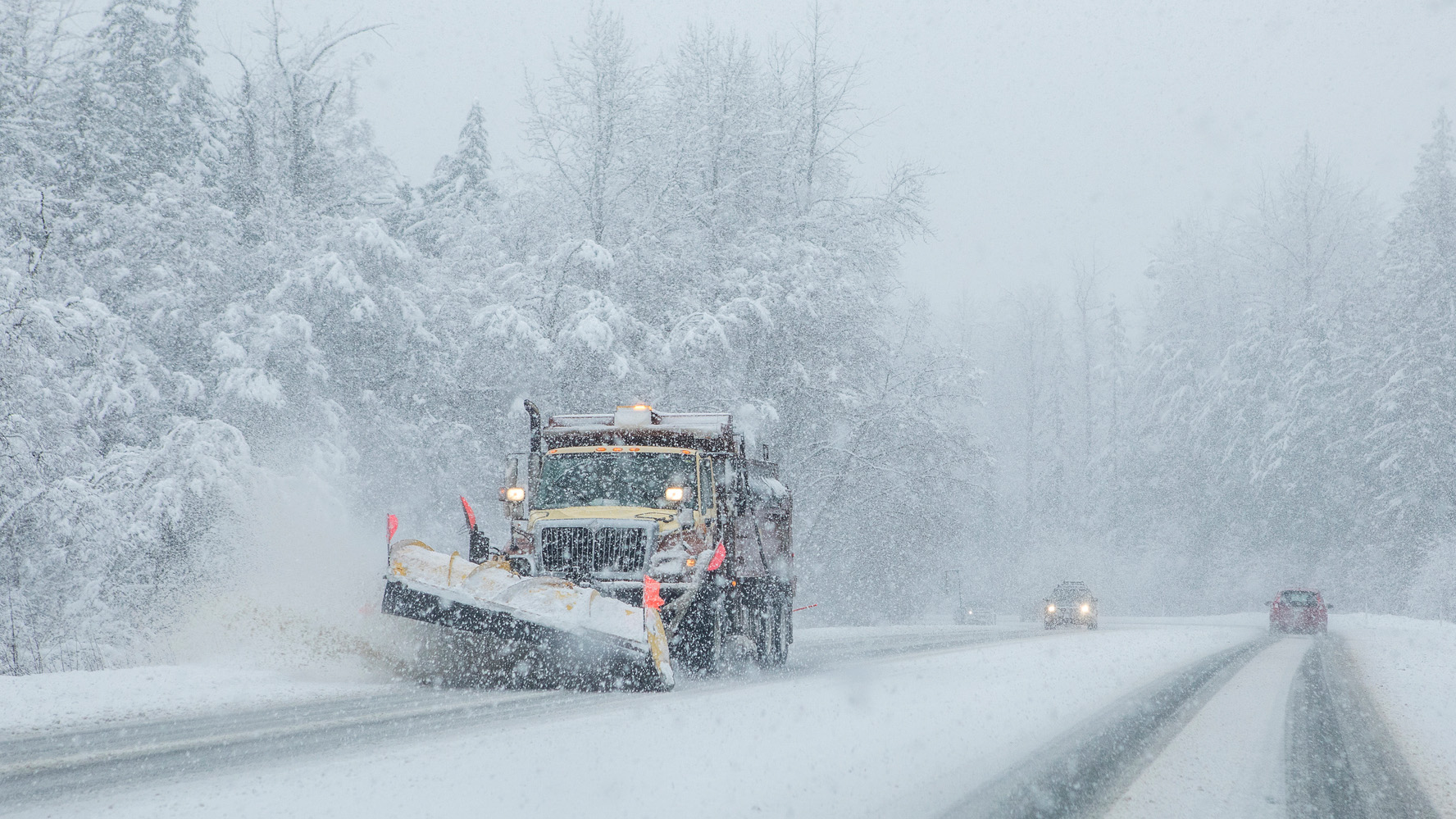
Snowstorms in particular fall within the definition of several weather disturbances that occur during precipitation with air temperature below freezing and frozen water particles in the form of snow. Given the magnitude of the storm this can vary from a light dusting to several feet in the most extreme cases. Outbreaks of winter storms, in addition to snow, can be characterized by high wind speeds, icy pavements and other forms of inconveniences which can turn out to be a nuisance to normal day activities.
The Science Behind Winter Storms and Snowfall
Winter storms are characterized by several elements: atmospheric pressure systems, jet streams and temperature gradients. The basic explanation of any winter storm involving snow focuses on the interaction of two or more pros with contrasting air pressures, namely, the presence of a cold air mass combined with a warm and humid air mass of a low-pressure system. To begin with let us examine the structure of such storms.
- Low-Pressure Systems and Moisture: Most winter storms will indeed start, with the evolution of a low-pressure system, which draws moisture from the nearest water sources. In such systems when air rises, moisture levels up and turns into clouds. Assuming temperatures drop sufficiently, the moisture turns to snow and comes down.
- Jet Stream: A secondary influence on the structure and intensity of storms is the jet stream. The narrow band of strong winds located at high altitudes in the atmosphere. In particular, a dip in the position of jet stream towards south helps in the introduction of cold arctic air resulting in the perfect scenario for a snowstorm.
- Cold Air: Gives snow the ability to exist in the cloud and at ground level at temperatures below freezing thanks to cold air. Warm air would cause any precipitation to be in the form of either rain or freezing rain – not snow. Even so, it has to be noted that no snowstorm takes place where the temperatures are not conducive for snow formation and even accumulation on the surface.
- Snowfall Rates and Accumulation: Snowfall rates are frequently expressed in inches per hour. Heavy snowfall spells often mean an accumulation of several inches and more. Snow can either precipitate very heavily in a very short time or light snow can take a long time to fall. Most of the time, the factors controlling the total snowfall accumulation are the storm intensity, wind, and the length of time the snowfalls.
How Are Winter Storms Forecasted?
To help forecast winter storms and the expected amount of snow per a region, meteorologists make use of different aids. These aids range from satellite photos, radar images, weather balloons, and even computer systems which mimic how the atmosphere behaves. The following is a summary of the key forecasting tools available:

- Weather Satellites: Satellites help to visualize and monitor weather systems from far up in the sky. This is very useful for storm tracking and development. Such pictures enable meteorologists to see where the moisture is and if there would be enough cold air in the upper atmosphere for snow.
- Doppler Radar: With the help of radar data, the meteorologists measure the storm’s location, motion, and precipitation intensity. This is important in predicting snow accumulation over certain regions and also in mapping out regions the weather has dropped heavier snow.
- Weather Models: Weather forecasting models are numerical predictions of the ambient weather you are currently in. These models forecast the evolution of a storm with respect to time and can forecast how much snow will fall, the wind speeds and temperature changes. Two of such widely utilized models are the global forecasting systems (GFS) and the European Centre for Medium-range Weather Forecasts (ECMWF).
- Weather Balloons: Weather balloons fitted with instruments act as weather reporters at altitudes above ground, measuring temperature, humidity, and pressure. These assist the forecaster in improving their predictive capabilities and also their understanding of the atmosphere.
- Ground Observations: Current conditions are also enhanced by local weather stations and networks and their reporting. This information allows forecasters to revise the outlook as fresh data is received.
Winter Storm Snow Forecast: What to Expect
When it comes to predicting the possible accumulation of snow from a winter weather system, other factors aside from storm intensity, temperature, or even the wind blowing direction are considered. There is an area of forecasting which goes beyond predicting incoming threats and prepares citizens on the degree of damage they can expect in the case of heavy snow. Since snowstorms are quantified in terms of the number of inches that will be received, forecasts are usually further generalized into cases of light, moderate, heavy and severe snow rates. This is so as the National Weather Service (NWS) is more often than not interested in these categories so as to issue snow accumulation forecast and warning to the public.
- Light Snowfall: Light snow does not generally accumulate to more than an inch of snow sometimes only giving a dust layer to the ground. Such storms do not tend to be disruptive but tend to leave the roads quite slippery during the early mornings, or late nights.
- Moderate Snowfall: Moderate snow is more often than not known to measure between the ranges of 1-5 inches. While such storms may pose a risk to travel, they are usually not disruptive except in cases such as these when there are additional threats like ice storms or high winds.

- Heavy Snowfall: Heavy snowfall is the term used when more than 6 inches of any snow has settled, although it can often be a lot more than this. The dry content that is associated with such storms is considered to fall more than 12 inches equivalent snow or precipitation that can lead to severe disturbance such incidences of impassable roads, closure of institutions, and blackouts.
- Blizzards: A blizzard is more than three inches of snow and the accompanying strong winds with little or no visibility. For instance, winds with a speed of about 35 mph and snow can lead to a situation known as a whiteout whereby it is impossible to see beyond a couple of feet ahead.
The Impact of a Winter Storm Snowfall
The extent of the adverse effects caused by a winter storm is determined by the amount of snow, wind velocity, temperature, and the region itself. For example, in extreme winter condition areas, the inhabitants may find themselves accustomed to winter storms. However, places that seldomly encounter snow can be taken by surprise and suffer more devastating effects.
- Impediments to Travel — the Effects of Weather Interventions on Travel. Items trapped within the snowstorm and breathing level accompanying clouds are responsible for the causing treatment prevention. Rather dangerous when driving, snow filled roads unless otherwise shafted are usually unsafe, if not made impossible by snow banks. In such cases, the driving visibility may be overcome resulting in what is referred to as white out, where snow and strong winds are all that is noticed. Some or all such change, which exacerbates weather conditions, is frequently employed to suppress turbulence and will usually lead to delays or cancellations of transportation activities, including air transport, as a result of runway shows and grade icing conditions as well.
- Power interruptions Avalanches ice storms and blizzards are well known for causing power outages throughout their range of impact. During rain or ice weather, when the thick accumulations of snow cling to the trees and electric wires, their branches may give in under the tension resulting in broken wires. In certain abnormal events, the presence of snow in the air may also flood power lines causing them to break.

- School and Business Closures Another impact of snowstorms is that some schools, governmental agencies and business establishments remain closed or open late due to the persistent snowfall. Some places that experience heavy snow might also experience such intermittent closures. Such a situation can create many problems in people’s daily lives, especially affecting the means of transport and the work of the people.
- Flooding Snow has other effects apart from accumulating on the ground. For instance, an increase in temperatures or rainfall on top of already fallen snow can lead to clouding as there may be too much water for the storm drains to handle. Snowmelt can also increase water levels in rivers, thereby raising the potential threat of flooding
- Other Dangerous Conditions When It Comes to Health and Safety Due to the need for clearing snow, and moving about on slippery surfaces, the dangers of strains from snows hovelling, falling and heart problems associated with physical exertion cannot be ruled out. The high temperatures associated
How to Prepare for a Winter Storm
Readiness and pre-emptive planning are essential when winter weather transitions into a winter storm. The following tips are important for personal safety and dealing with the problems a snowstorm may create.
- Stay Updated It is very important to check periodically the inclement weather forecast from trusted agencies like the National Weather Service, local TV stations or weather forecast applications. Also, look out for warnings/advisories such as Winter Storm Warnings or Blizzard Warnings which are very important in indicating the severity and effects of the storm.
- Prepare for Emergencies If a snowstorm is on the horizon, prepare your home with the slightest essentials such as bottled water, non-perishable food, drugs, flash lights, clothes, batteries and so forth. It is wise to consider a backup heat source, such as a fireplace or a portable heater especially in situations where power is likely to get cut. There is also a need to have resourced vehicles containing emergency kits complete with blankets, dry food and a charged cell phone.
- Undertake Relevant Home and Car Maintenance Procedures Before the time of the storm, it will be necessary to establish whether your house is ready for the cold weather, this entails having insulated windows and doors and operating all the heating systems. Be sure that the vehicle has winter tires and gas tank filled up and contains bonnet water. In addition, snow and ice removal from driveways and or walkways will be ideal to minimize sliding accidents.
- Avoid Travelling as Much as Possible There is no need to travel during or immediately after a snowstorm unless there is an urgent need to do so. However, if travel is essential, make sure that you take along additional emergency provisions such as blankets, food, and water. Also, keep your phone on, and inform someone about your travel plans, including the route and the estimated time of your arrival.
- Remove Snow and Ice After the closure of the snowstorm ensure that the driveway and walkways are cleared of any snow or ice, this helps in eliminating the chances of accidents. Some salt or sand can be applied to increase grip and assist in preventing any troublesome ice patches.
Conclusion
Blizzards and snowstorms are a part and parcel of life in the winter and cold regions but they don’t have to cause stress or danger with the right preparation. Knowing the snow forecast, making sure one is informed, and taking preventive measures can all reduce the risks that come with these types of storms. In this manner, one can take pleasure in the winter season to the full extent, get to know what snow and white outdoor conditions have to offer, and do it all with no risk and with warmth.

