
Sports Flexibility Exercises are a critical component for athletes, fitness enthusiasts, and anyone looking to improve mobility. Enhanced flexibility not only helps prevent injuries but also improves performance across various sports. From runners and swimmers to gymnasts and team sports players, flexibility plays a vital role in executing movements efficiently and safely.
Incorporating regular stretching routines, dynamic warm-ups, and targeted exercises into your training regimen ensures that muscles and joints can perform through their full range of motion. Flexibility is not just about reaching farther or bending deeper; it’s about creating balance, coordination, and resilience in your body.
The Importance of Flexibility in Sports
Flexibility directly impacts athletic performance. Athletes with greater range of motion can execute complex movements with ease, generate more power, and recover faster. For instance, a soccer player with flexible hips can change direction more swiftly, while a basketball player benefits from enhanced shoulder mobility for shooting and passing.
Flexibility also reduces the risk of muscle strains, ligament injuries, and joint pain. Incorporating Sports Flexibility Exercises into daily routines ensures that muscles remain supple and joints remain healthy. Coaches and trainers often emphasize stretching as a fundamental part of pre- and post-training sessions to maintain long-term athletic health.
Dynamic vs. Static Flexibility Exercises
There are two main types of flexibility exercises: dynamic and static. Dynamic stretches involve controlled movements through the active range of motion and are often used during warm-ups to prepare muscles for activity. Examples include leg swings, arm circles, and torso twists. (Sports Flexibility Exercises)
Static stretches involve holding a position for a set duration to lengthen the muscles and are typically performed post-exercise. Static exercises improve overall flexibility over time and help reduce muscle tension. A combination of both dynamic and static stretches ensures optimal performance and recovery.
Targeted Exercises for Different Sports
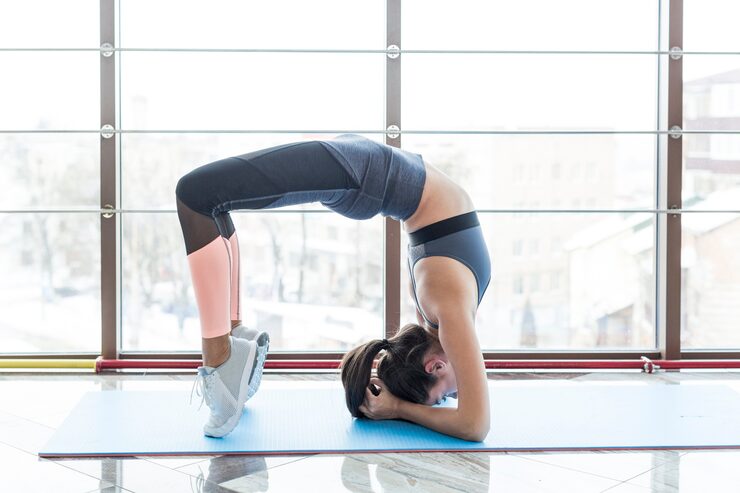
Different sports demand specific flexibility. Runners benefit from hip flexor stretches, hamstring extensions, and calf raises. Swimmers gain an advantage through shoulder rotations and chest stretches, enhancing stroke efficiency. Gymnasts and dancers often require full-body flexibility, including backbends, splits, and ankle mobility exercises.
Athletes who understand the demands of their sport can tailor their Sports Flexibility Exercises accordingly. For example, tennis players focus on shoulder and wrist mobility, while soccer players emphasize hip and hamstring flexibility. Customizing routines ensures maximum benefit and prevents overuse injuries.
Integrating Yoga and Pilates
Yoga and Pilates have become increasingly popular for athletes seeking to enhance flexibility. Yoga combines breath control, balance, and stretching to improve muscle length and joint mobility. Pilates focuses on core strength, stability, and controlled movements that complement dynamic flexibility exercises. (Sports Flexibility Exercises)
Athletes often report improved posture, reduced stiffness, and better mental focus when incorporating these disciplines. Beyond physical benefits, the mindfulness aspects of yoga and Pilates can enhance concentration and reduce stress during competition.
Flexibility and Injury Prevention
One of the most compelling reasons to prioritize flexibility is injury prevention. Tight muscles can limit range of motion and lead to compensatory movements that stress joints and ligaments. Regular Sports Flexibility Exercises help maintain muscular balance, allowing the body to move naturally and efficiently.
For example, stretching the quadriceps and hamstrings regularly reduces the likelihood of strains during running. Shoulder stretches for swimmers prevent overuse injuries, while hip mobility exercises help soccer players avoid groin pulls. Prevention through flexibility training can extend athletic careers and improve overall quality of life.
Practical Tips for Consistent Flexibility Training
Consistency is key when working on flexibility. Short, daily sessions are often more effective than infrequent, intense stretching. Athletes should listen to their bodies, avoid bouncing or forcing stretches, and gradually increase intensity over time.
Warm muscles are more pliable, so performing stretches after a light cardio session or during post-workout cooldowns is ideal. Incorporating a variety of stretches, including dynamic, static, and sport-specific exercises, ensures balanced development and sustainable results. (Sports Flexibility Exercises)
Real-Life Success Stories
Many elite athletes attribute part of their success to diligent flexibility routines. Professional footballers, dancers, and martial artists maintain daily stretching regimens that enhance their agility and power. Even amateur athletes notice significant improvements in performance and recovery when integrating Sports Flexibility Exercises into their training.
Stories from runners and gym-goers highlight the mental benefits as well, reporting reduced stress, better sleep, and a heightened sense of body awareness. Flexibility exercises become a holistic practice that supports both physical and mental well-being.
Future Trends in Athletic Flexibility
Advances in sports science continue to influence flexibility training. Wearable technology, mobility assessments, and AI-driven training plans allow athletes to track progress and personalize routines. Virtual coaching apps provide guided stretching sessions and feedback to optimize outcomes.
As more research emerges, flexibility training is becoming an indispensable part of athletic development, highlighting its role not just in injury prevention but also in maximizing peak performance. Sports Flexibility Exercises are no longer optional—they are a foundational aspect of modern sports training.
Read also:
betterthisworld com
betterthistechs news
betterthistechs articles by betterthisworld
gimkit join
sfm compile club
sfm compile
www. push yourdesigncom